Destinations
 Packing
 Travel Tips
 Photography
 Points & Miles
 Credit Cards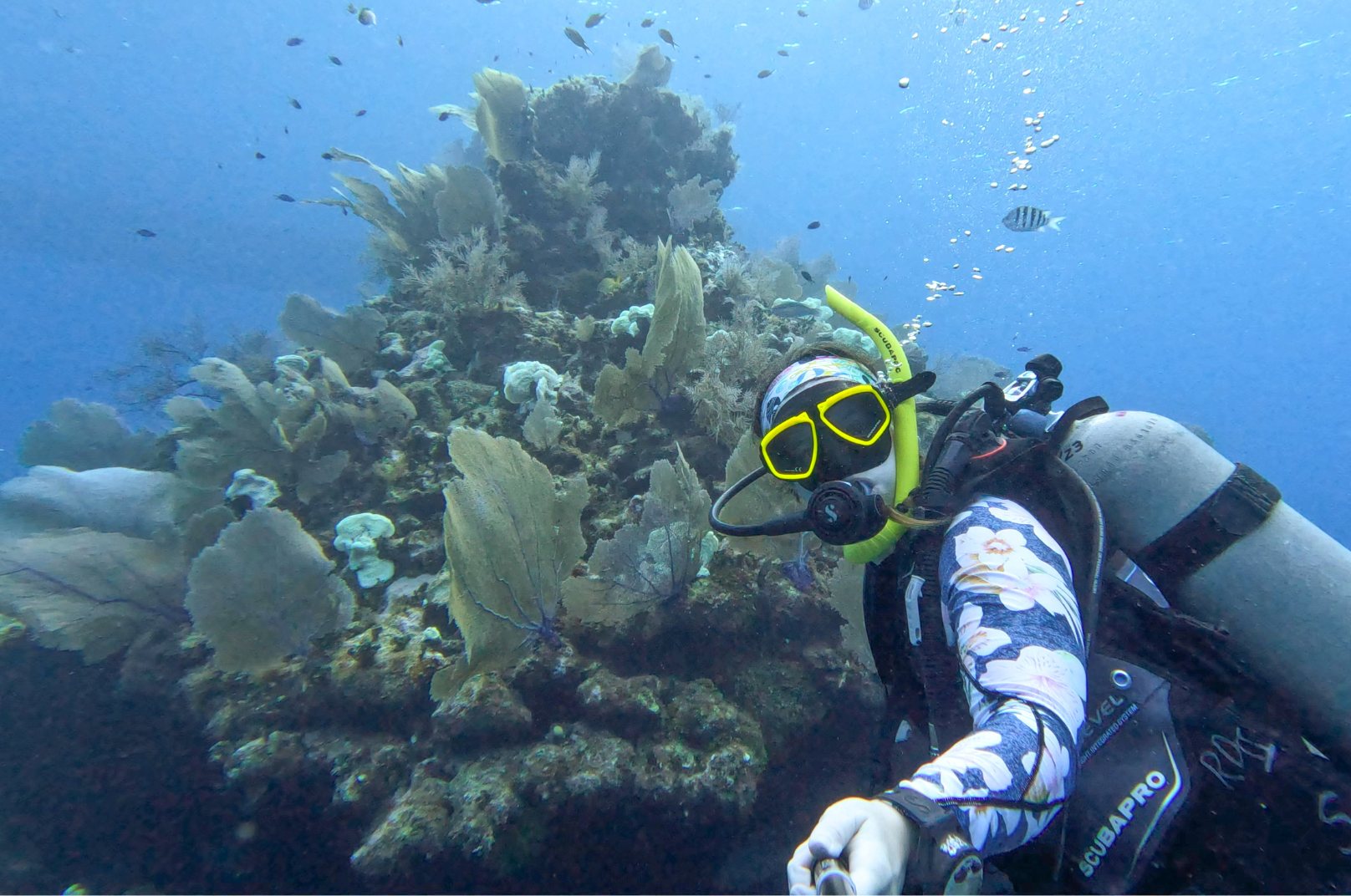
Playa del Carmen is one of my favorite diving destinations in the world because it offers both ocean diving and cenote diving! This Playa del Carmen diving guide gives you the best diving months, resorts, shops, tours, and sites.
The Ultimate Playa del Carmen Travel Guide
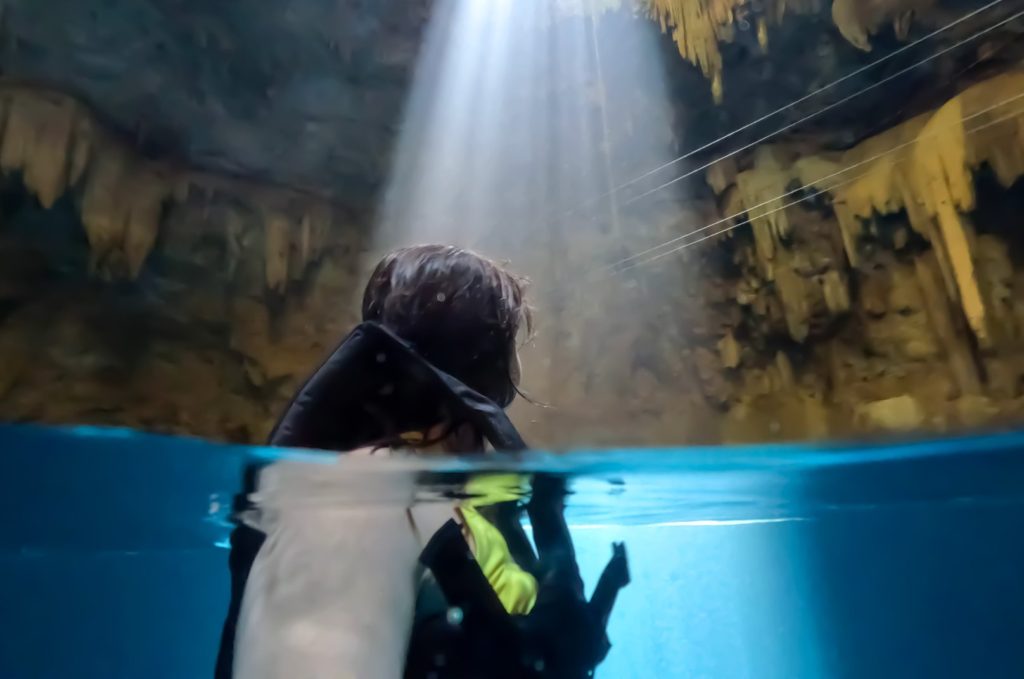
This post focuses on cenotes and dive sites that only require an Open Water Diver certification. Playa del Carmen is one of the few places in the world where you can go cenote diving, so don’t miss out on this unique experience!
Get ready to explore the underwater world with this Playa del Carmen diving guide!

When To Dive
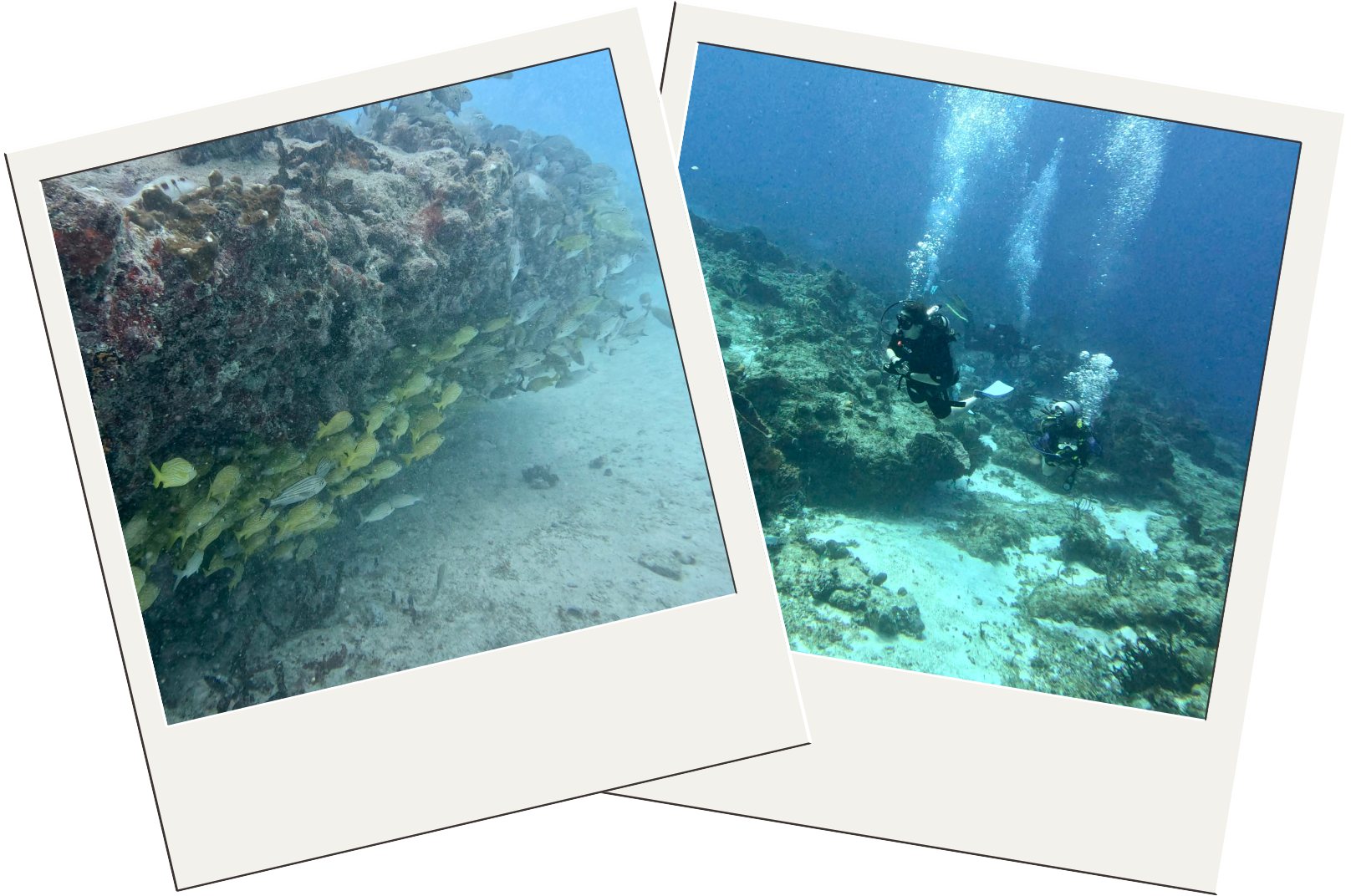
Playa del Carmen is an excellent year-round diving destination. Water temperatures in the Spring, Summer, and Fall average 82°F/28°C. The winter is only slightly cooler, with water temperatures averaging 78°F/25°C.
This part of the Yucatan Peninsula is prone to strong winds and currents. Three of the five dive days I had planned for my trip were cancelled because of the wind. Thankfully, Playa del Carmen also offers cenote diving, which is unaffected by wind or currents at any time of the year.
For uncrowded sites and maximum visibility, book your Playa del Carmen dive vacation between May and November. This is Playa del Carmen’s off-season, when crowds and prices will be lower.
In the summer, green, loggerhead, and hawksbill turtles arrive to lay eggs on the white sand beaches. For whale sharks, June-September is best. From November to March, see bull sharks as they arrive en masse for breeding season.
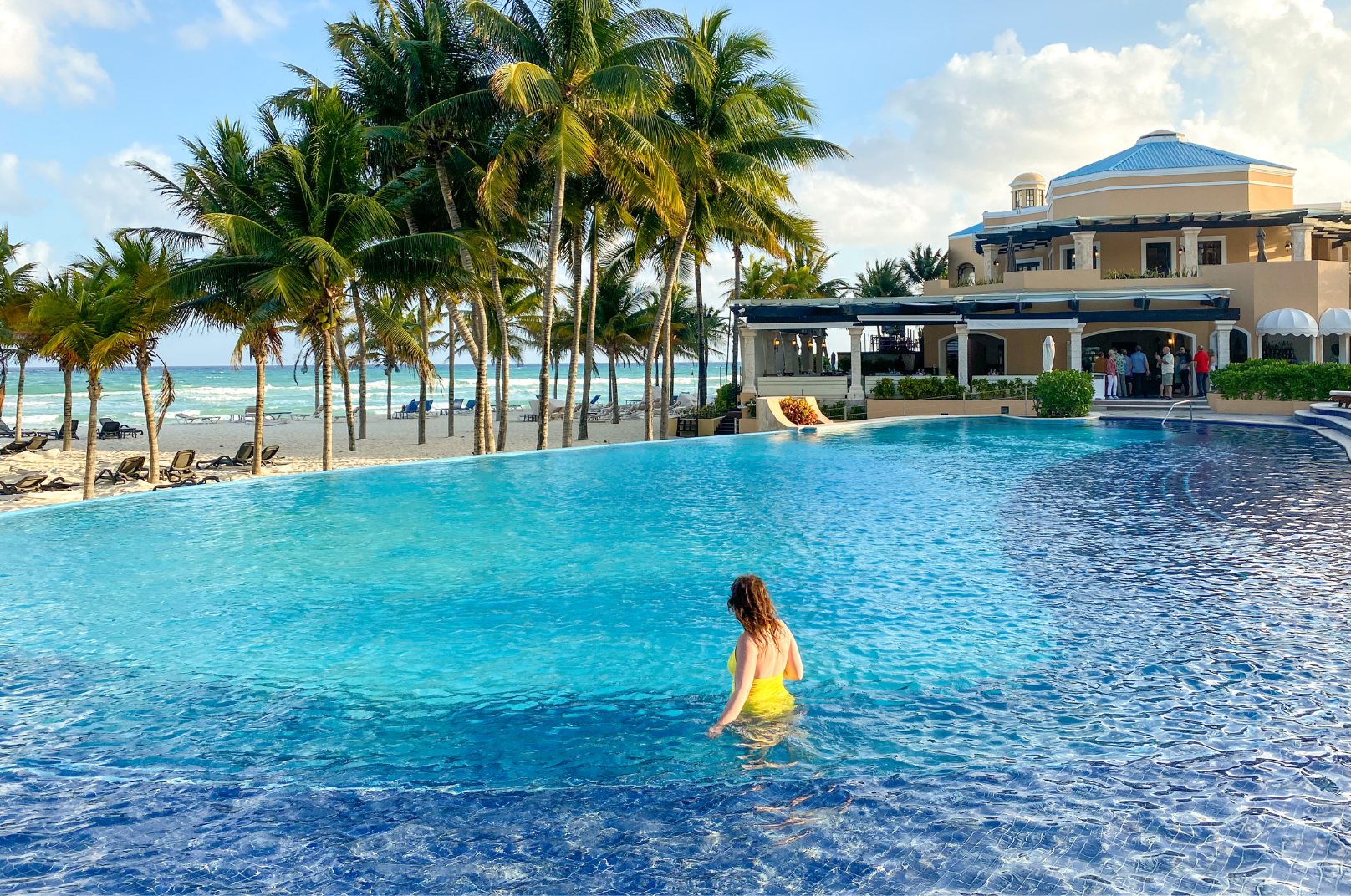
Dive Resorts and Shops
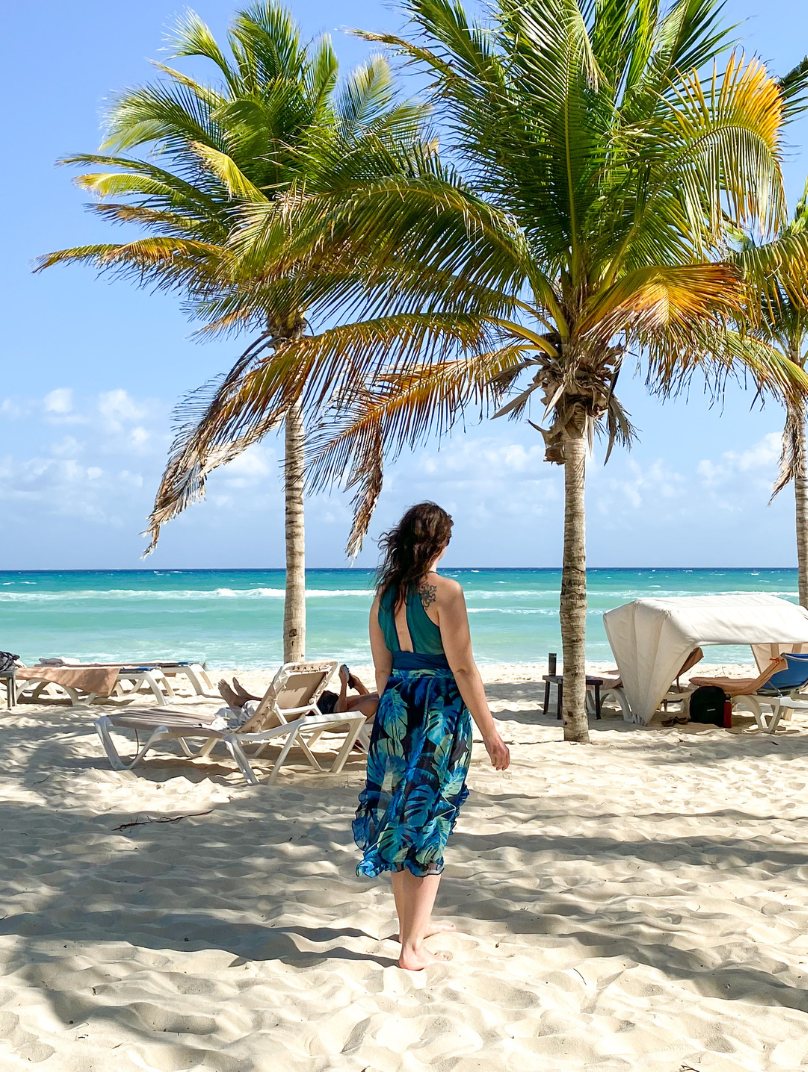
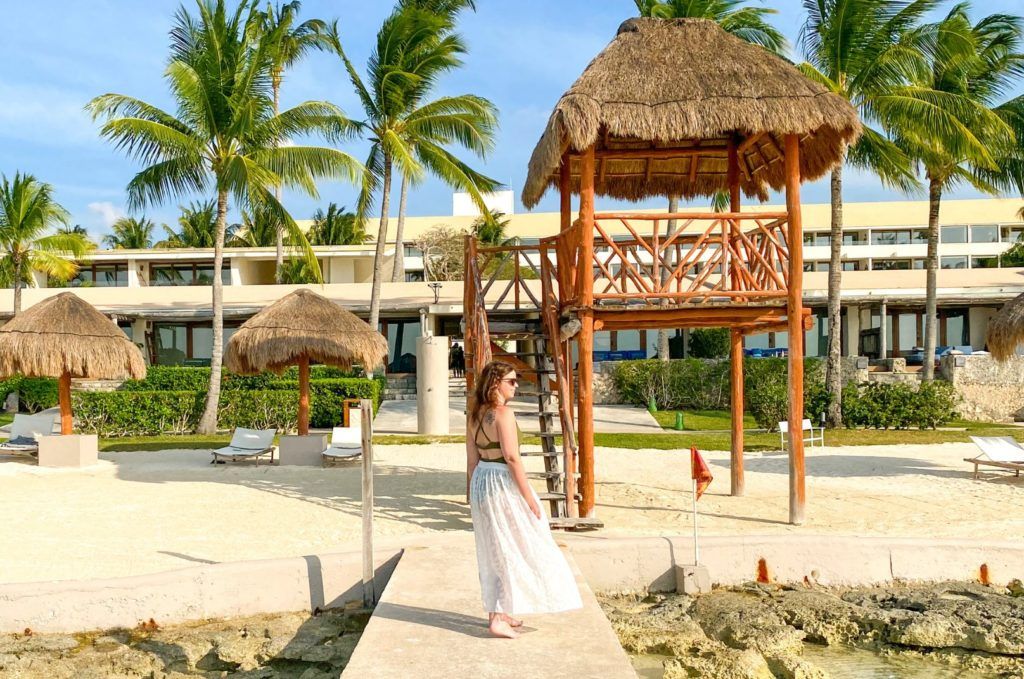
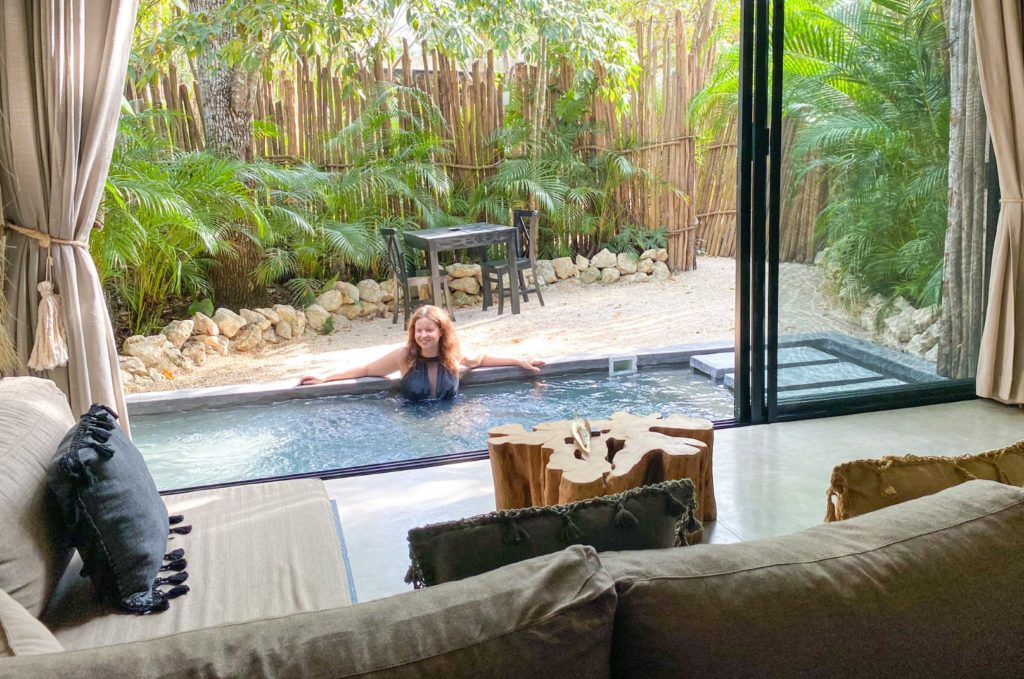
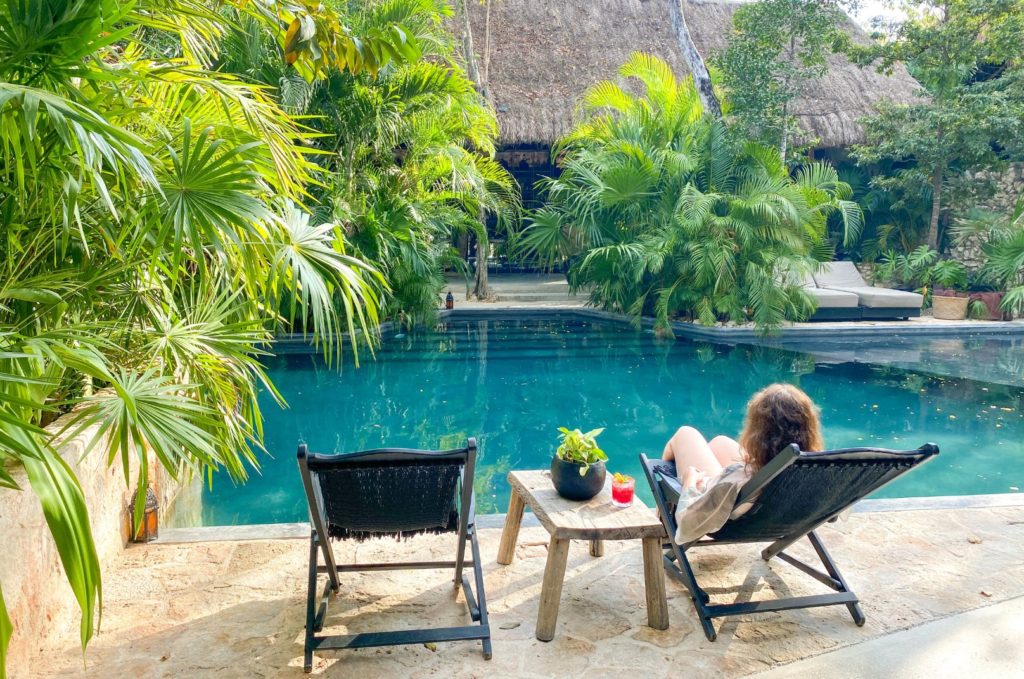
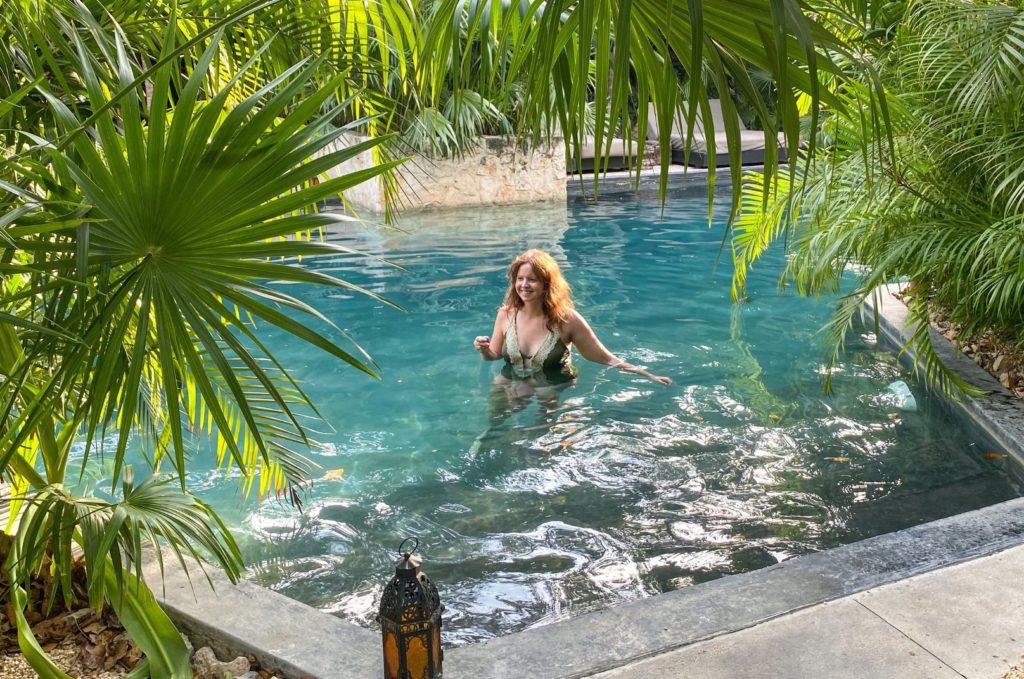
These Playa del Carmen resorts have on-site dive shops:
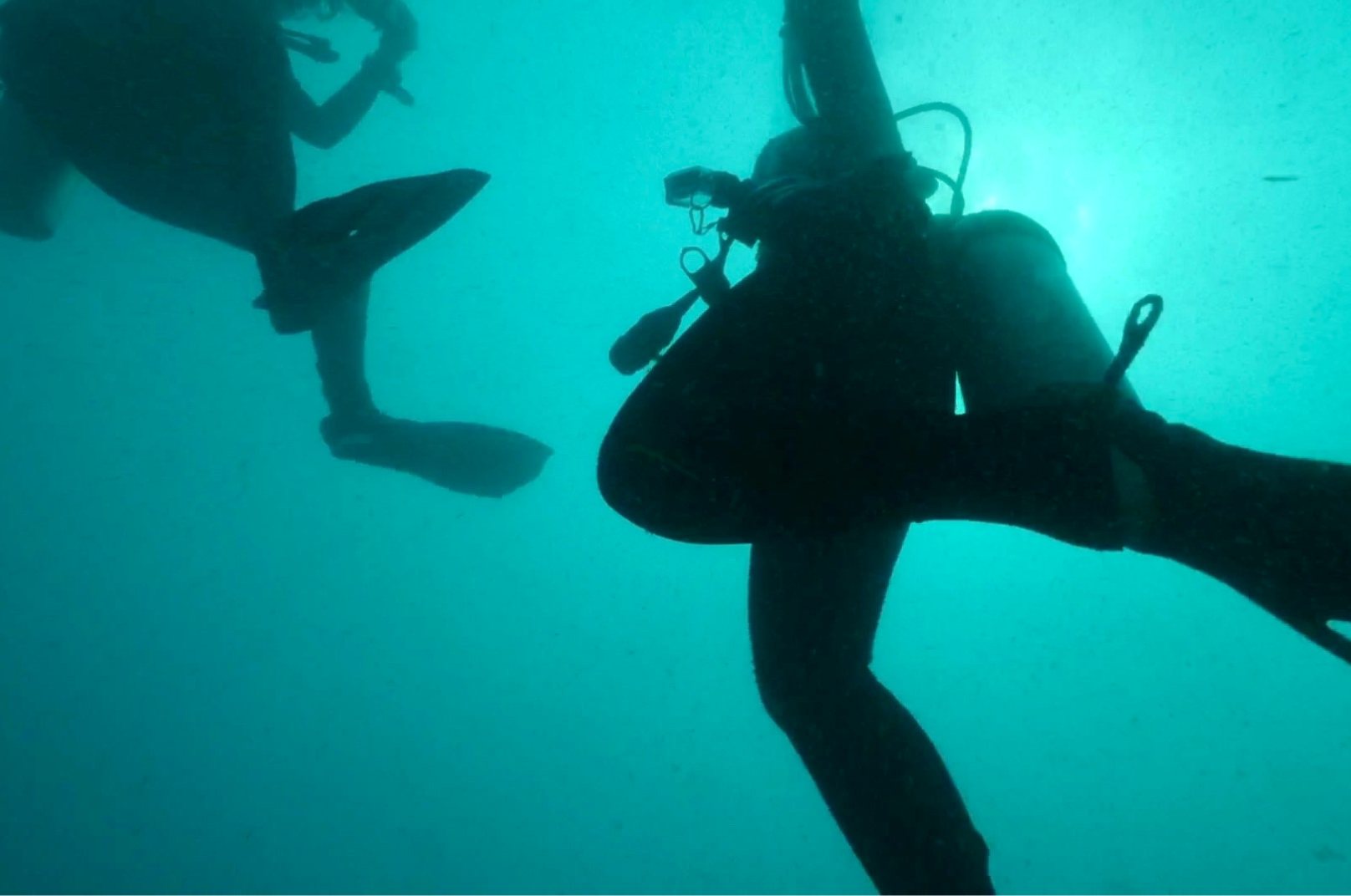
Dive shops I recommend are Pro Dive International, Phocea Mexico Playa, The Go Pro Family, Scuba Playa, The Reef Marina, and Xtreme Dive Centers Playa.
Ocean Dive Sites
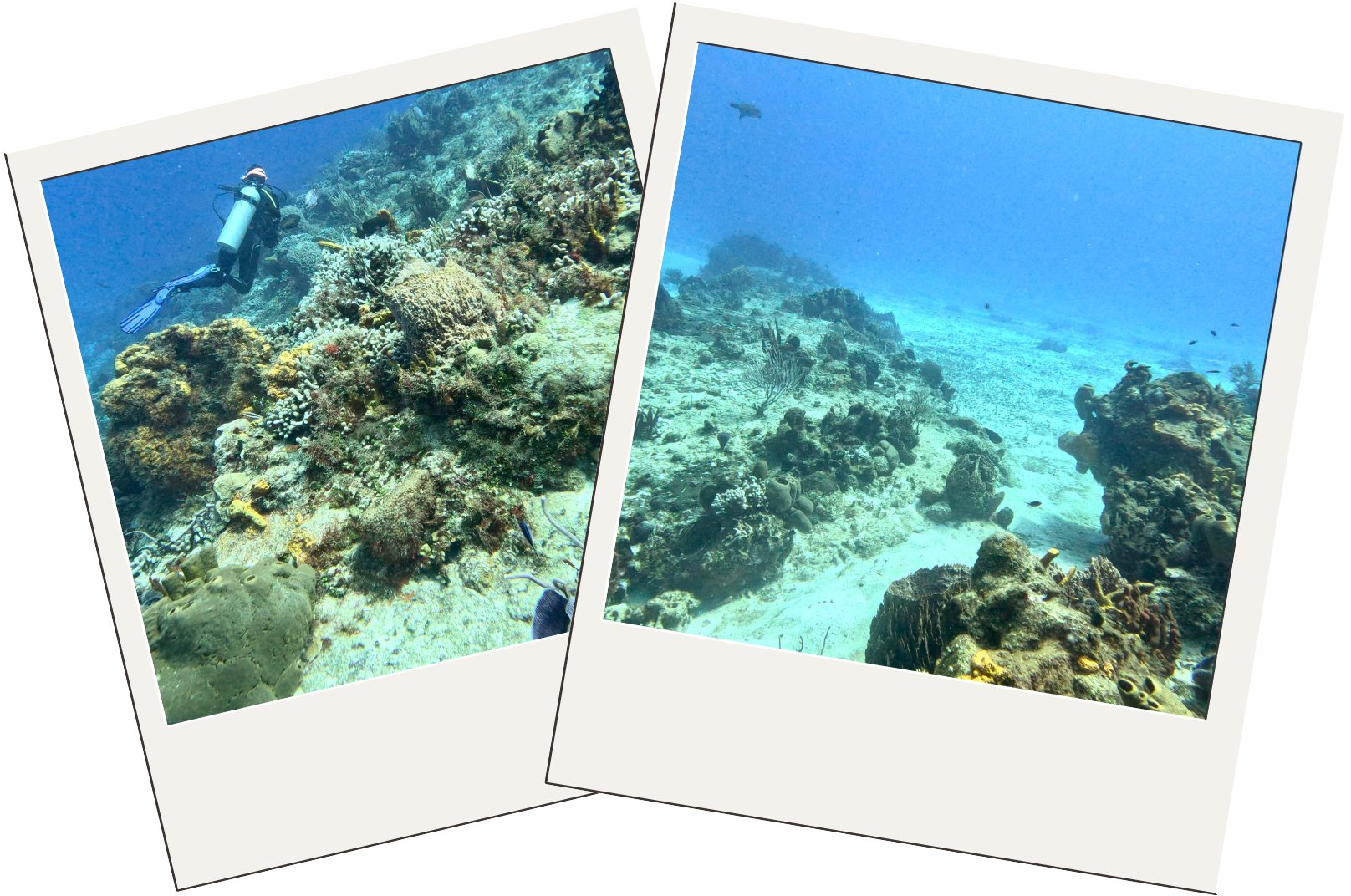
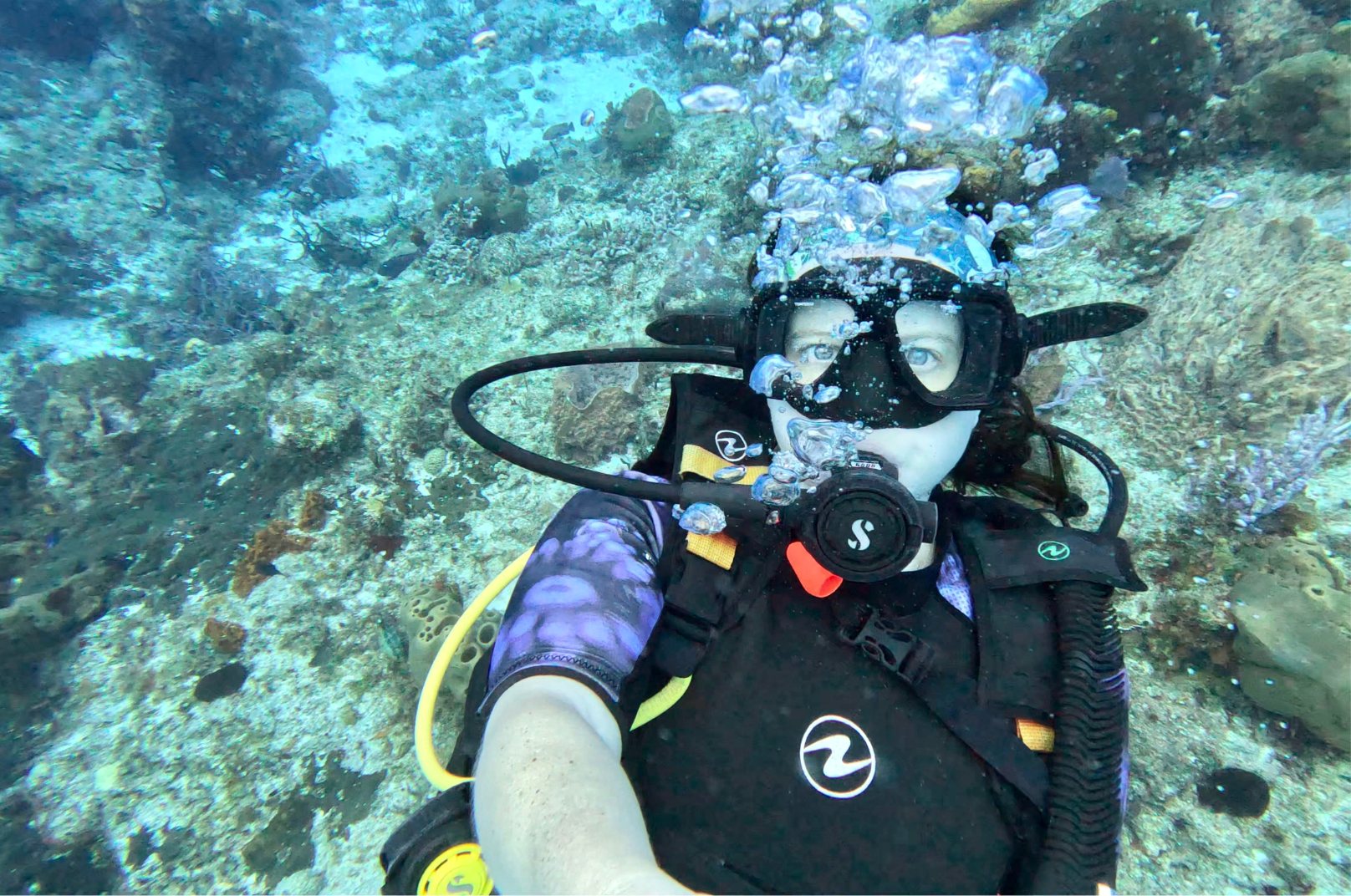
Jardines. This is a shallow, beginner-friendly dive site in Playa del Carmen known for its “garden-like” appearance with abundant coral and marine life. It’s ideal for new divers and snorkelers due to its calm, clear water, minimal current, and gentle depths (typically 33-40 feet). Divers can expect to see large schools of fish, lobsters, moray eels, and occasional turtles
Shangrila. This is a reef and drift dive site, known for its abundant coral and marine life, including lettuce coral and a variety of fish. It’s a short 5-minute boat ride from shore and is ideal for underwater photography due to its shallow depth and minimal current. The reef runs parallel to the shore, allowing divers to swim along it in either direction, depending on the current. The maximum depth is 35-40 feet.
More Dive Guides
-

Playa del Carmen Diving Guide
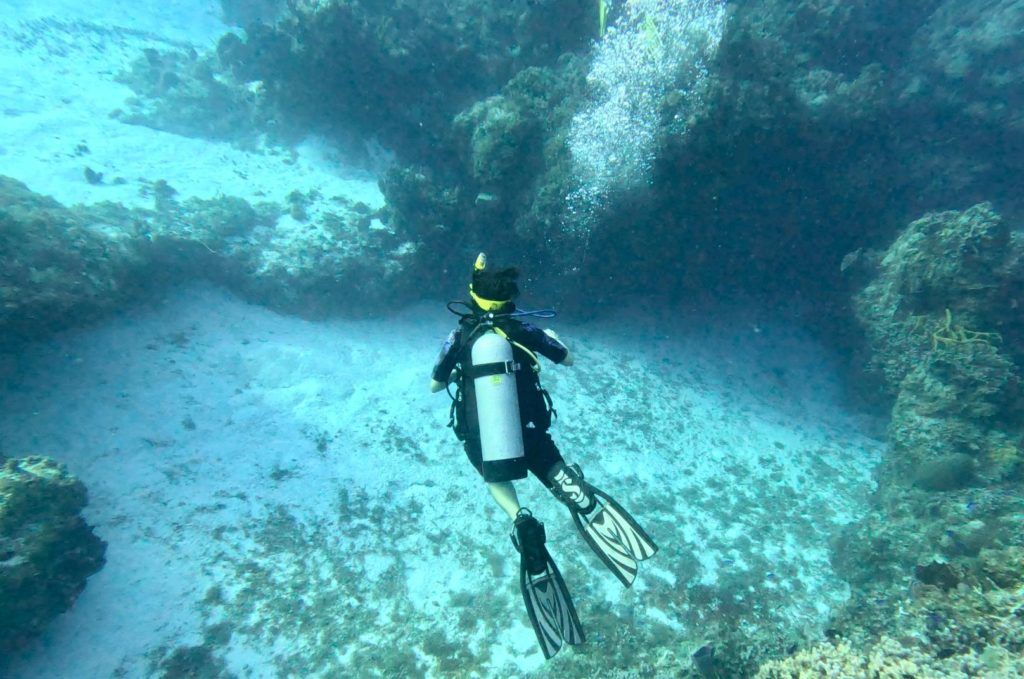
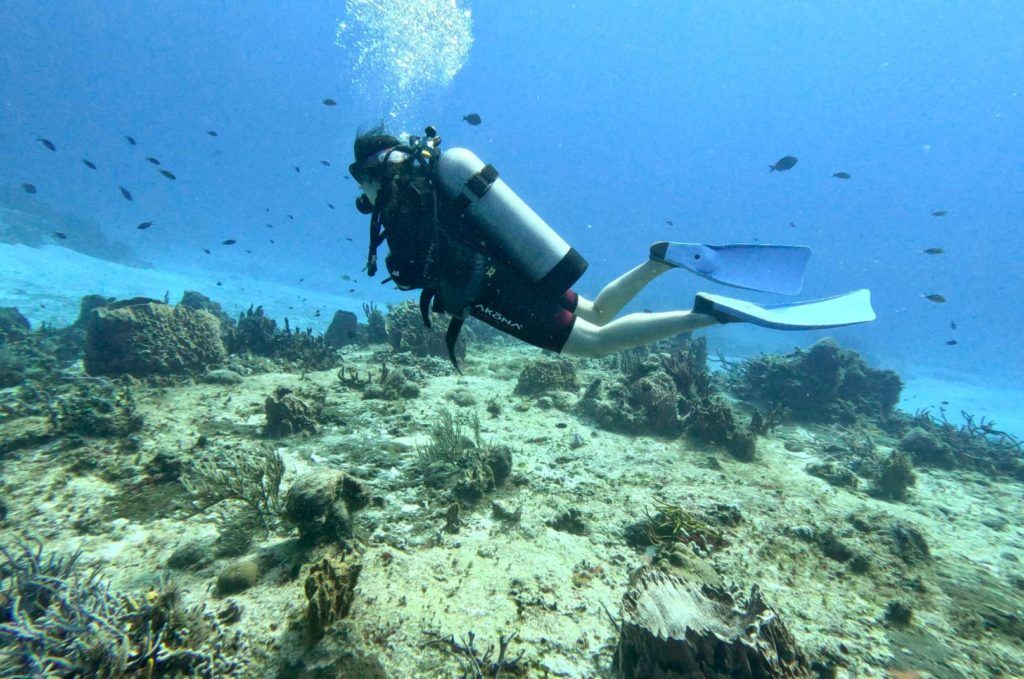
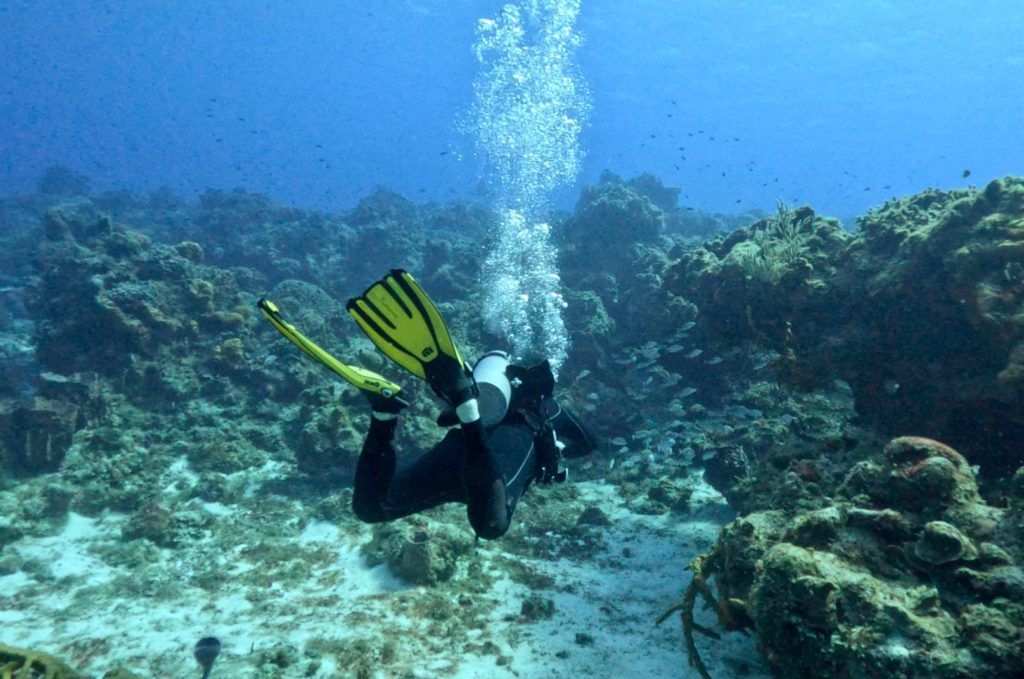
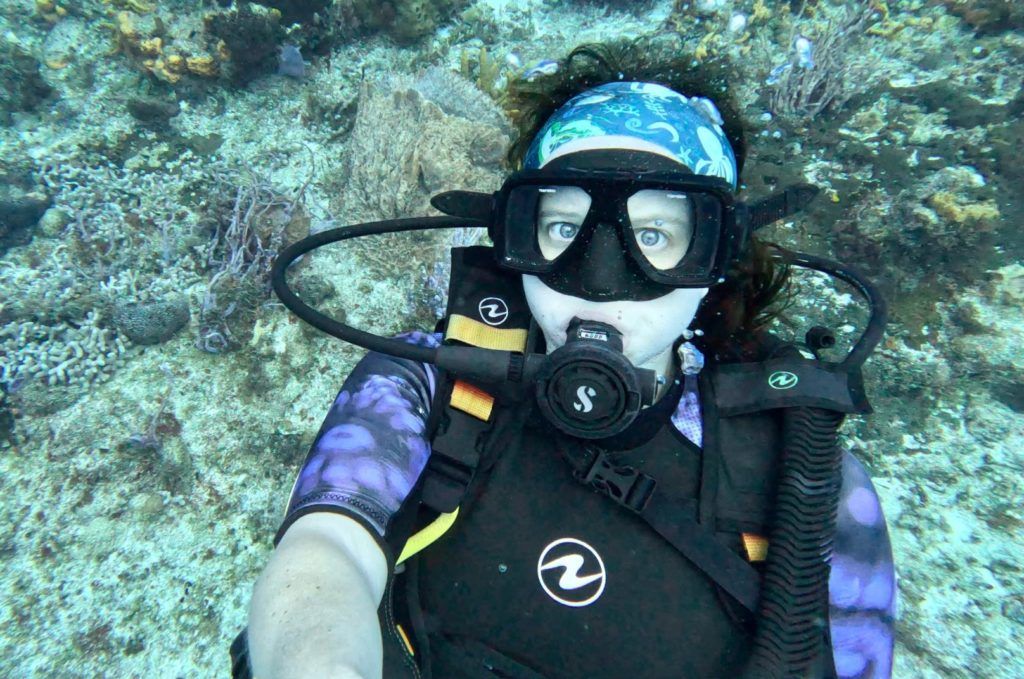
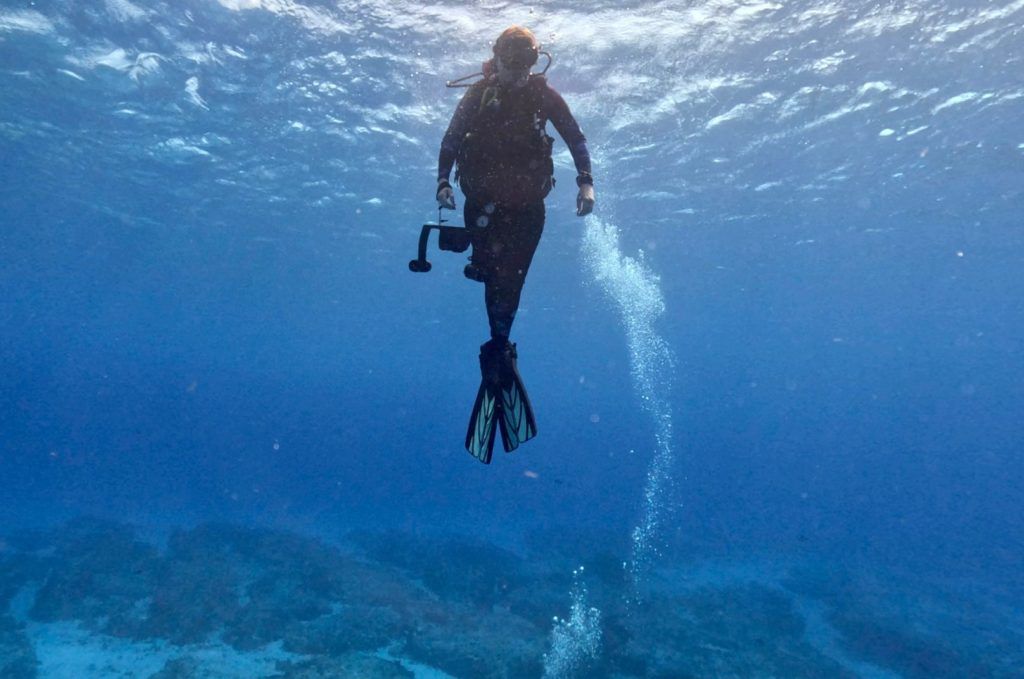
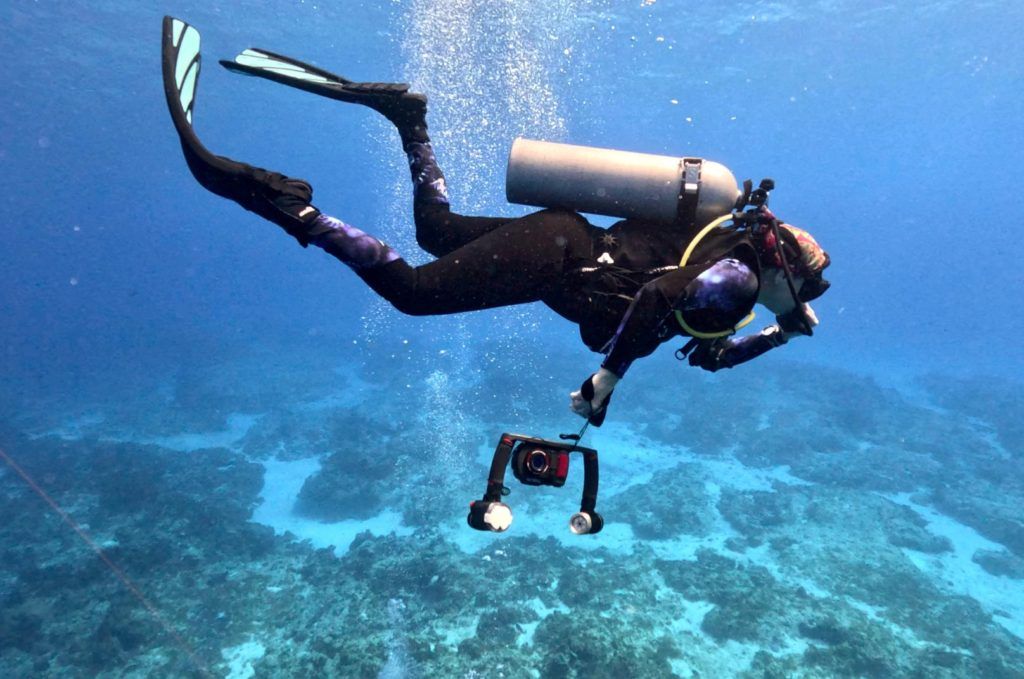
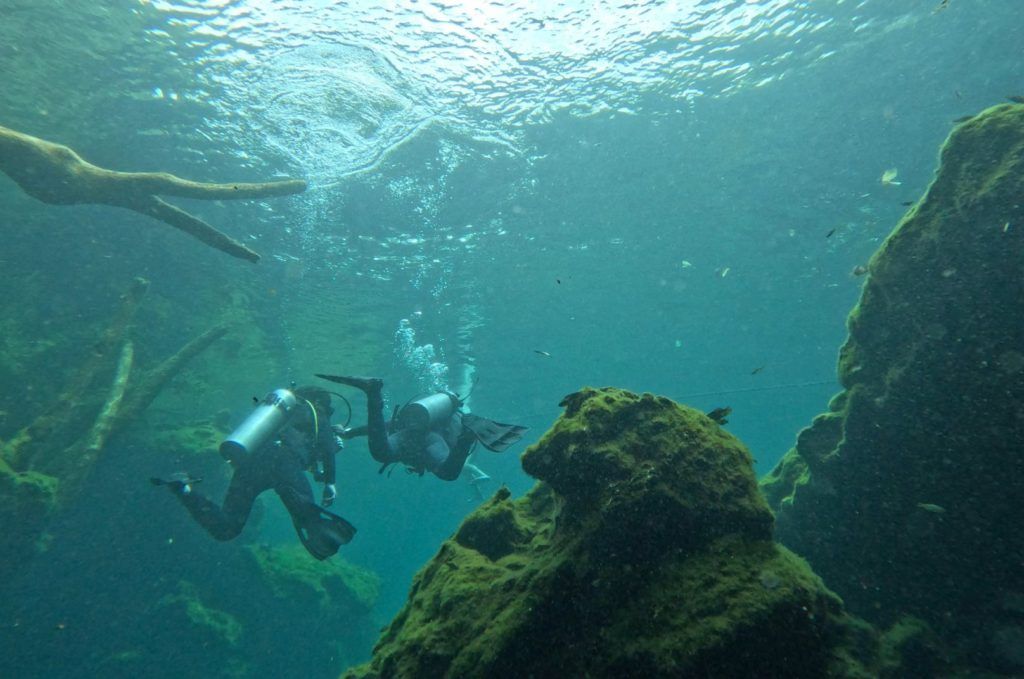
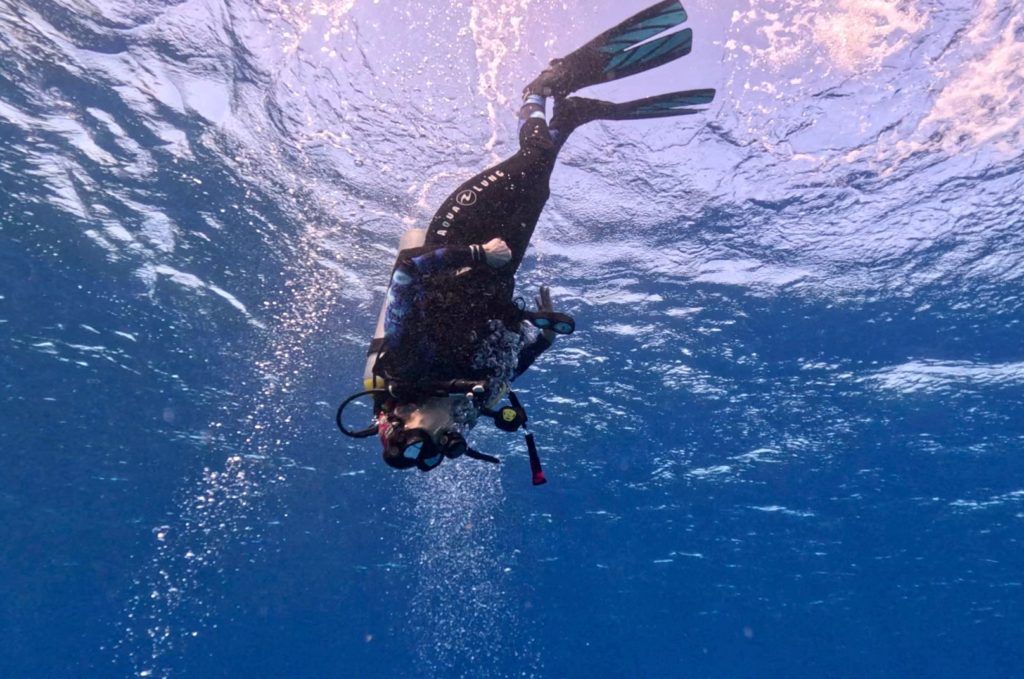
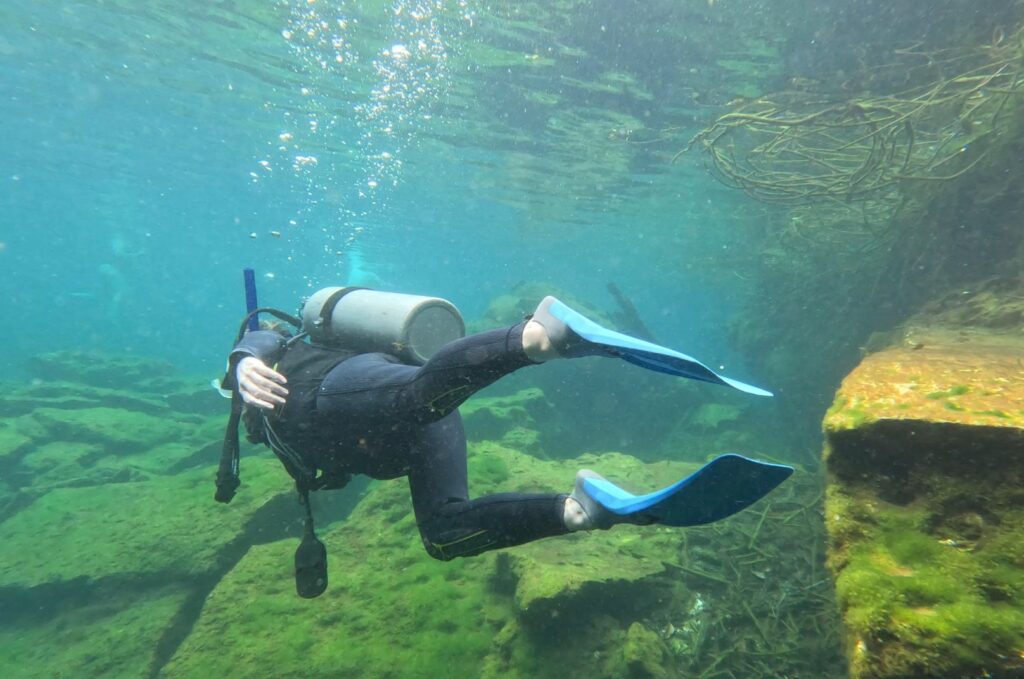
Chun Zumbul. This is a shallow reef with a great variety of marine life that is easy to dive. Excellent for both beginners and experts, this site is conveniently located near the coast, making it a short boat trip, ideal for those who tend to get seasick on longer boat rides. You can find many corals, sponges, schools of different types of fish, small rays, sharks in season, octopus, squid, and small lobsters. The maximum depth is 36 feet.
Moc-Che. This shallow reef, accessible to Open Water divers, features coral gardens and an arch. The deep reef, suitable for Advanced Open Water divers, offers a vertical wall with a maximum depth of approximately 30 meters (98 feet). Both sections are known for abundant marine life like moray eels, lobsters, and turtles, with the potential for spotting larger species like bull sharks in the winter at the deep site.
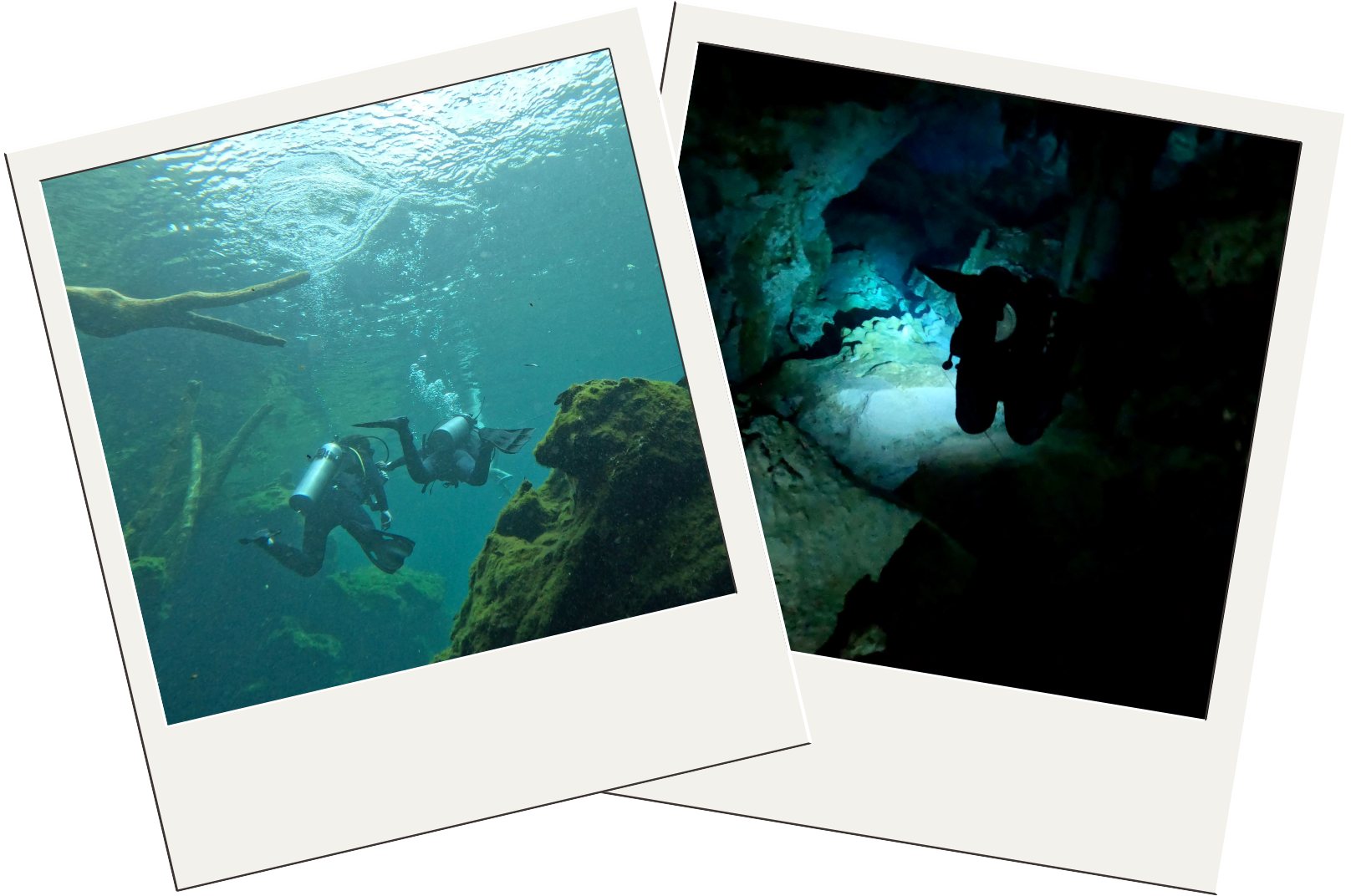
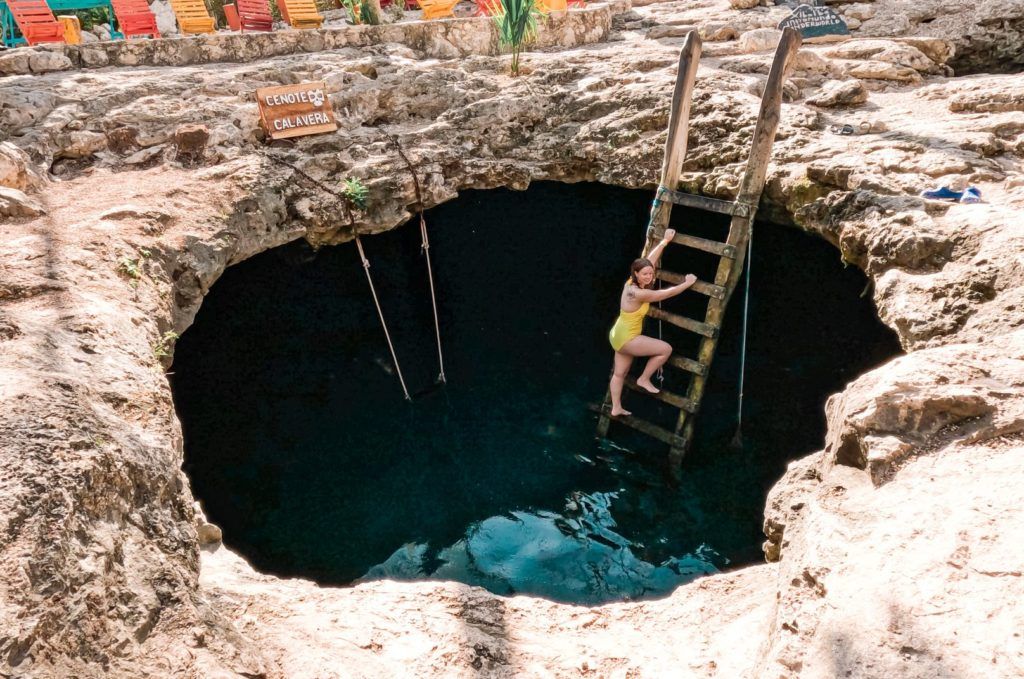
Best Cenotes for Diving
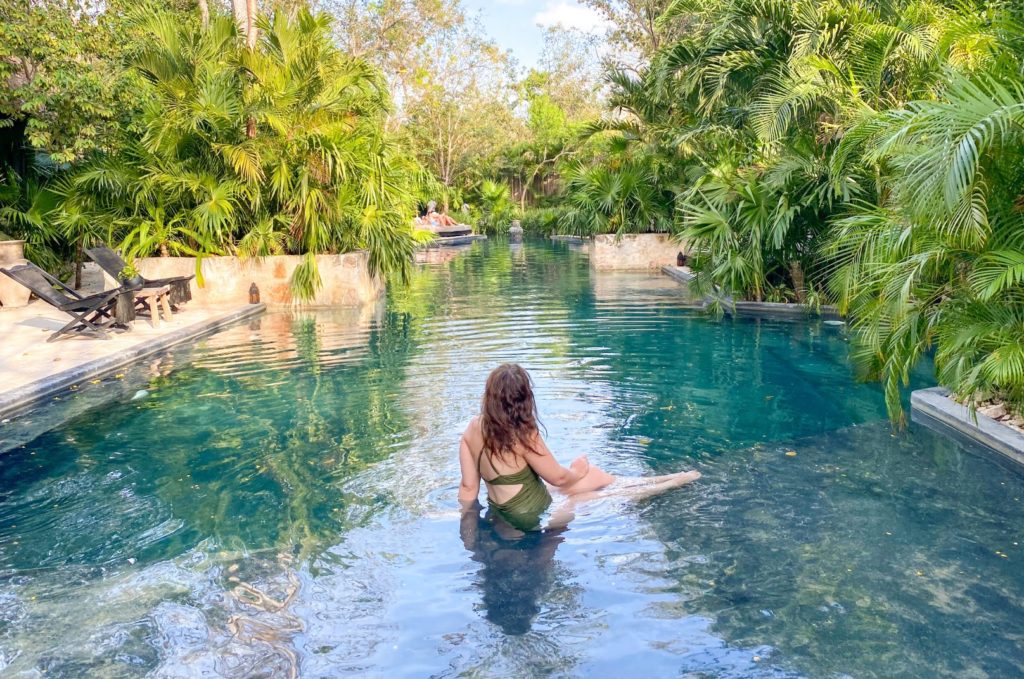
First on the list is Dos Ojos, located in the Tulum area. This cenote is known for its unique topography, which includes two separate caves connected by a large cavern. You can expect to see stalactites, stalagmites, and bat colonies.
Next up is Tajma Ha Cenote, which offers a more challenging dive experience because of its deeper depths and tighter spaces. However, the rewards are worth it – you can admire beautiful rock formations, swim-throughs, and marine life.
Gran Cenote is the perfect choice for those seeking a more serene experience. This cenote has crystal clear waters and plenty of natural light, allowing for stunning views of the underwater landscape. It’s also home to a variety of fish species and turtles.
Last but not least, Chac Mool is a cenote offering beautiful underwater scenery and a unique cultural experience. The cenote is adjacent to a pre-Columbian temple, adding a layer of history and significance to the dive.
Shop My Dive Essentials
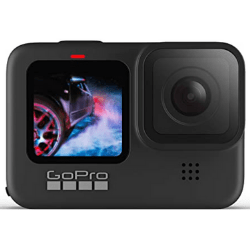
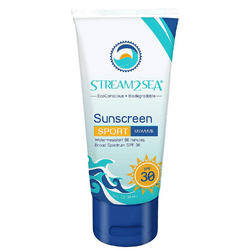
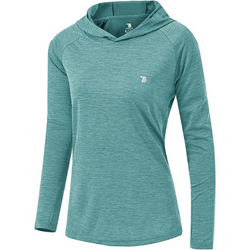
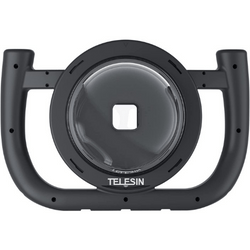
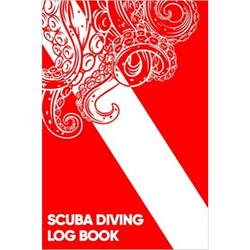
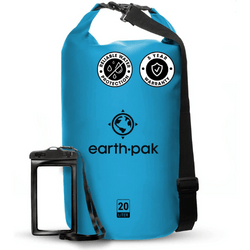
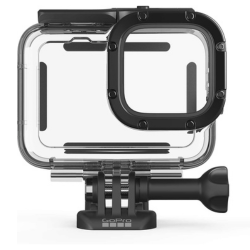
What would you add to this Playa del Carmen diving guide? Tell us in the comments!
Plan the Rest of Your Trip
-
Playa del Carmen Diving Guide



YOUR TRAVEL CHECKLIST
This Playa del Carmen diving guide is not a sponsored post, and the thoughts and opinions expressed in this Playa del Carmen diving guide are entirely my own. Some of the links in this Playa del Carmen diving guide are affiliate links, and at no cost to you, I may earn a small commission from this Playa del Carmen diving guide.